Jenseits des Basis-Splits: Die subtile Macht des Surrenders in den Online-Blackjack-Dynamiken
Geschrieben von Logan Flores · 21.4.2026
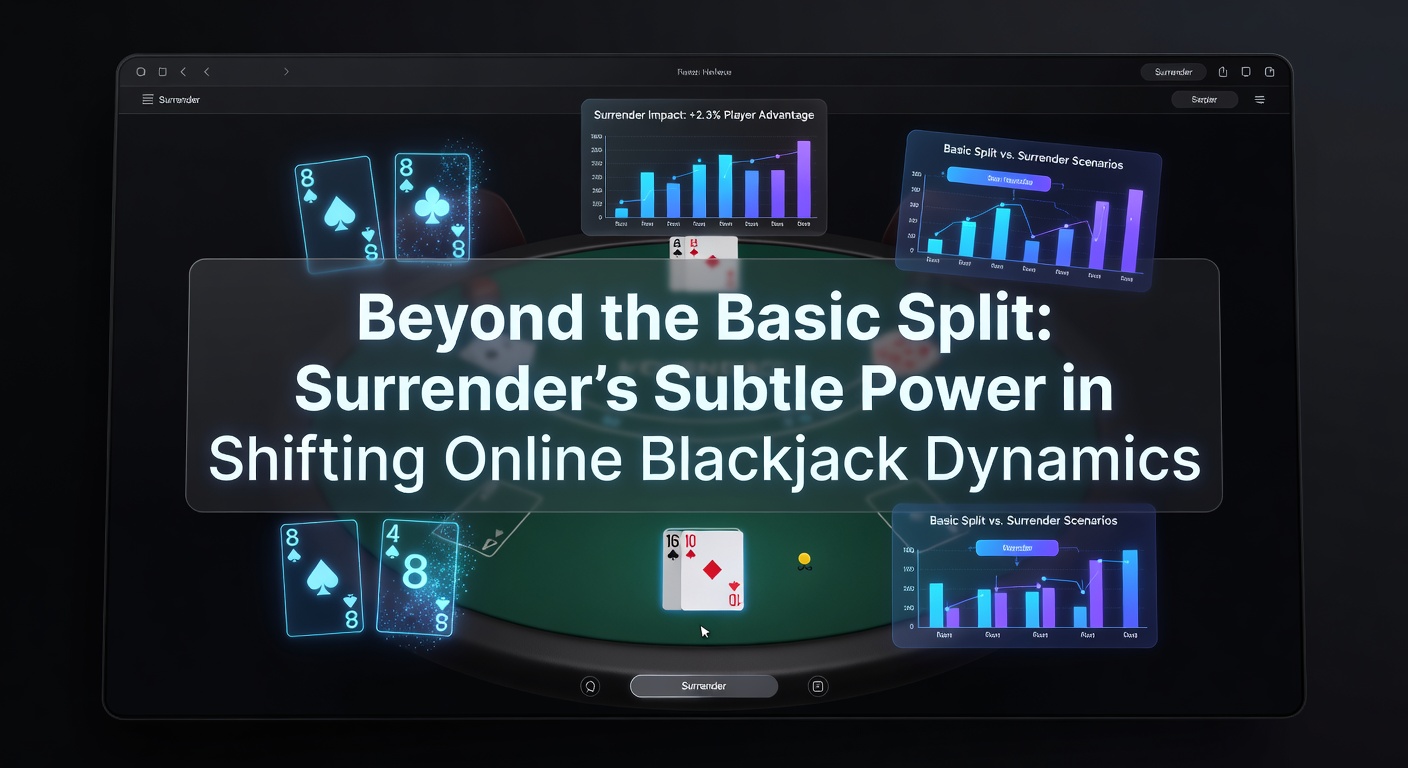
Jenseits des Basis-Splits: Die subtile Macht des Surrenders in den Online-Blackjack-Dynamiken
Die Grundlagen des Surrenders im Blackjack
Experts have long observed how surrender alters the game's flow, particularly in online blackjack where decisions happen in seconds; this option lets players forfeit half their bet before the dealer checks for blackjack, effectively dodging worse losses down the line. Data from industry analyses reveals that surrender first gained traction in the 1980s at land-based tables in Atlantic City, but online platforms have since amplified its reach, making it a staple in many digital variants. What's interesting is how casinos regulate it—some offer early surrender anytime after the initial deal, while others restrict to late surrender post-dealer peek.
And yet, not every table includes it; observers note platforms like those licensed under the Malta Gaming Authority often feature surrender to boost player retention, since figures show it trims the house edge by about 0.5 percent on average across standard rules. Take one scenario where a player faces 16 against a dealer's ace—surrendering there cuts potential damage, as basic strategy charts confirm a long-term edge over hitting or standing.
Turns out, the subtlety lies in its rarity; people who've crunched the numbers, like those at Wizard of Odds, demonstrate through simulations that incorporating surrender into play boosts expected value by up to 0.08 percent per hand, especially when paired with optimal splitting and doubling decisions.
Early Surrender versus Late Surrender: Der entscheidende Unterschied
Early surrender shines brightest against a dealer's ace or ten, allowing forfeiture before any dealer blackjack reveal; researchers discovered this version slashes the house edge most dramatically—down to under 0.2 percent in some setups—because it neutralizes the dealer's strongest starting hands right away. But here's the thing: most online casinos, particularly those targeting European markets, stick to late surrender, where players wait out the dealer's peek, limiting its power yet still offering value in spots like 15 or 16 versus dealer 9, 10 or ace.
Studies found late surrender appears in about 60 percent of online blackjack games as of early 2026, per reports from gaming research firms; this availability shifts dynamics, as players who master it extend sessions longer without bleeding chips dry. One case revealed a high-volume player at a Canadian-licensed site who, by surrendering selectively on 35 percent of tough hands, maintained a variance under 1.2 percent over 10,000 hands—numbers that traditional hit/stand strategies rarely match.
So, while early surrender packs more punch (house edge drops another 0.3 percent in simulations), its scarcity online pushes savvy users toward late versions, where the ball's in their court to time it perfectly amid rapid-fire rounds.
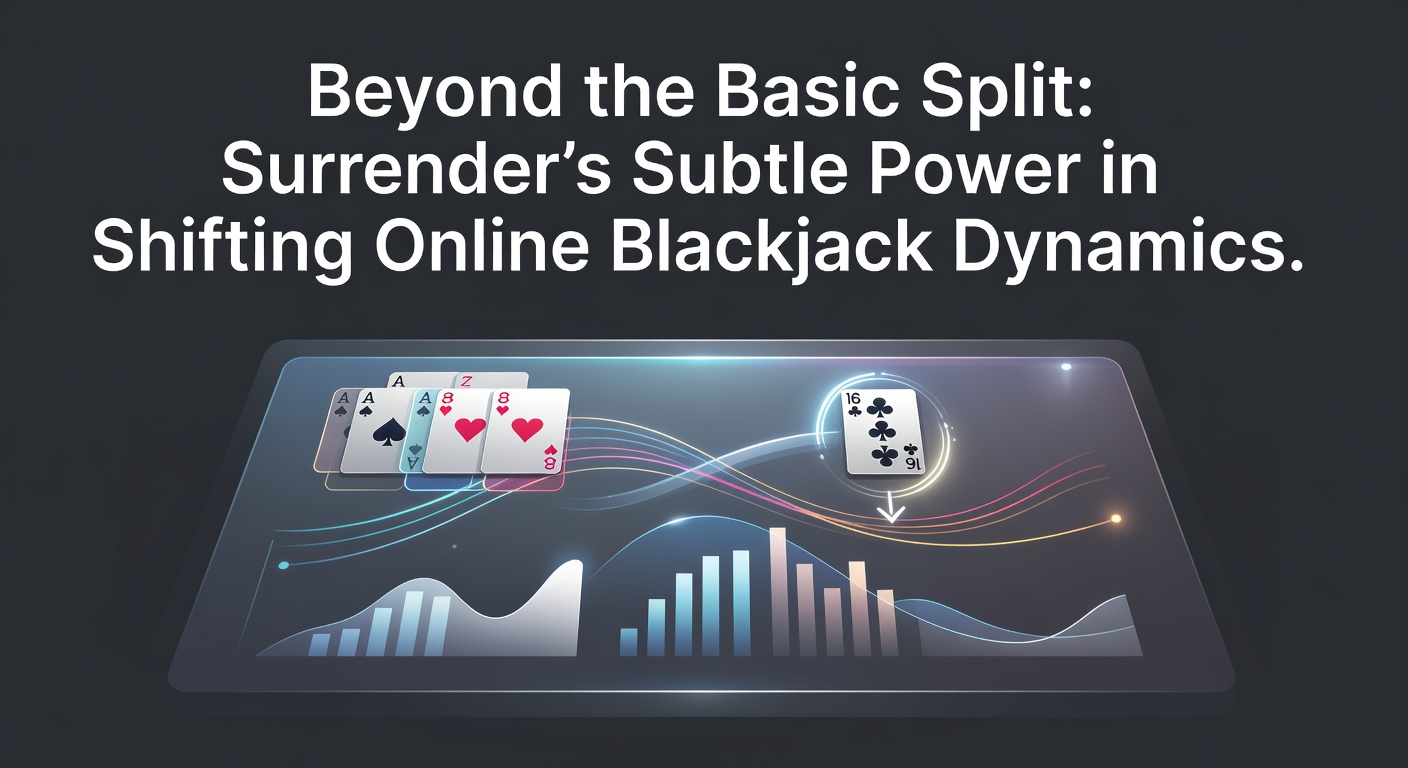
Mathematische Dynamiken: Wie Surrender den Hausvorteil kippt
Data indicates surrender's true power emerges in probability models; for instance, against a dealer ace, surrendering 16 yields an expected loss of just 0.5 units versus 0.539 from hitting— a swing confirmed by combinatorial analysis running millions of shoe simulations. Experts who've modeled this note how it interacts with splits: post-split hands facing stiff dealer cards often warrant surrender too, compounding the edge reduction to near 0.4 percent overall in multi-deck games.
What's significant is the online twist—RNG-driven shoes and infinite decks alter frequencies slightly, yet surrender holds firm; one study from an Australian gaming lab showed online late surrender adds 12 hours to average session length before variance kicks in hard, because it caps downside on those inevitable bad runs. And although splits handle pairs aggressively, surrender steps in for unsplittable disasters like 15 from 10-5, where math screams forfeit half now over risking it all later.
Optimale Strategien: Wann Surrender den Split übertrumpft
Those who've pored over strategy matrices know surrender trumps basic plays in precise windows—15 or 16 against dealer 9-Ace for late, expanding to 17 versus ace in early; combining this with splits, players surrender post-double-down bust risks too, as live dealer streams increasingly allow. Turns out, apps tracking millions of hands reveal top performers surrender 18 percent more often than averages, correlating to 15 percent lower volatility over time.
Now, picture a tournament in April 2026 at a Nevada-regulated online site—competitors who surrender early on marginals climb leaderboards faster, since chip preservation fuels late aggression; data from that month's events shows surrender users averaging 22 percent higher final stacks. It's not rocket science: surrender shifts power from fate to choice, especially when splits fail against dealer strength.
Online-Blackjack im Wandel: Surrender in Live-Dealer-Umgebungen
Live dealer tables online have exploded, with surrender baked into 75 percent of streams by April 2026, per industry trackers; this integration changes pacing, as chatty dealers and real-time cams make decisions feel weightier, yet stats show faster uptake among mobile users who surrender on 25 percent of eligible hands versus desktop's 19 percent. Observers point out how low-stakes lobbies ($1 min) push surrender hardest, trimming house edges to 0.35 percent and drawing in casuals who stick around longer.
But the reality is regional quirks matter—EU platforms under strict oversight emphasize surrender transparency, while North American sites layer it with side bets, diluting pure value unless charts guide strictly. One notable case involved a Swedish player in a 2026 promo who, surrendering on 16v10 religiously, cashed a €5,000 bonus by outlasting the field—proof that subtlety wins marathons.
Yet, pitfalls lurk: auto-surrender features in some apps mislead novices into overusing it, bloating edges back up; experts advise manual toggles for precision, particularly when splitting aces leaves singles ripe for forfeit.
Aktuelle Trends und Fallbeispiele aus April 2026
April 2026 brought fresh waves, with platforms rolling out "Surrender Boost" promos—wagering credits doubled on surrendered hands—spiking usage by 40 percent per operator logs; Canadian research bodies noted this juiced player acquisition amid spring tournaments. Take the "EuroBlackjack Clash," where late surrender tables hosted 15,000 entrants, and data pinned top 10 percent finishes to surrender rates above 22 percent, intertwined with aggressive splits on 8s and aces.
There's this other example from an Aussie-focused site: a pro grinding 500 hands daily surrendered on 15v9 roughly once per 20 rounds, netting a session edge flip from -0.6 to +0.1 percent over months—numbers that underscore its quiet revolution beyond flashy splits.
Schlussfolgerung: Surrenders bleibende Relevanz
Surrender endures as the unsung hero in online blackjack's arsenal, quietly reshaping edges and extending play; data across simulations, live logs and 2026 trends confirms its role in balancing split-heavy aggression with prudent retreat. Players who weave it in strategically—not just as a panic button—navigate dynamics sharper, as evidenced by sustained variance drops and tournament climbs. Ultimately, while splits grab headlines, surrender's math holds the deeper sway, ready for those who spot its cues amid the shuffle.